

 TripAdvisor

Best Hiking Boots for the Inca Trail: How to Choose the Right Pair
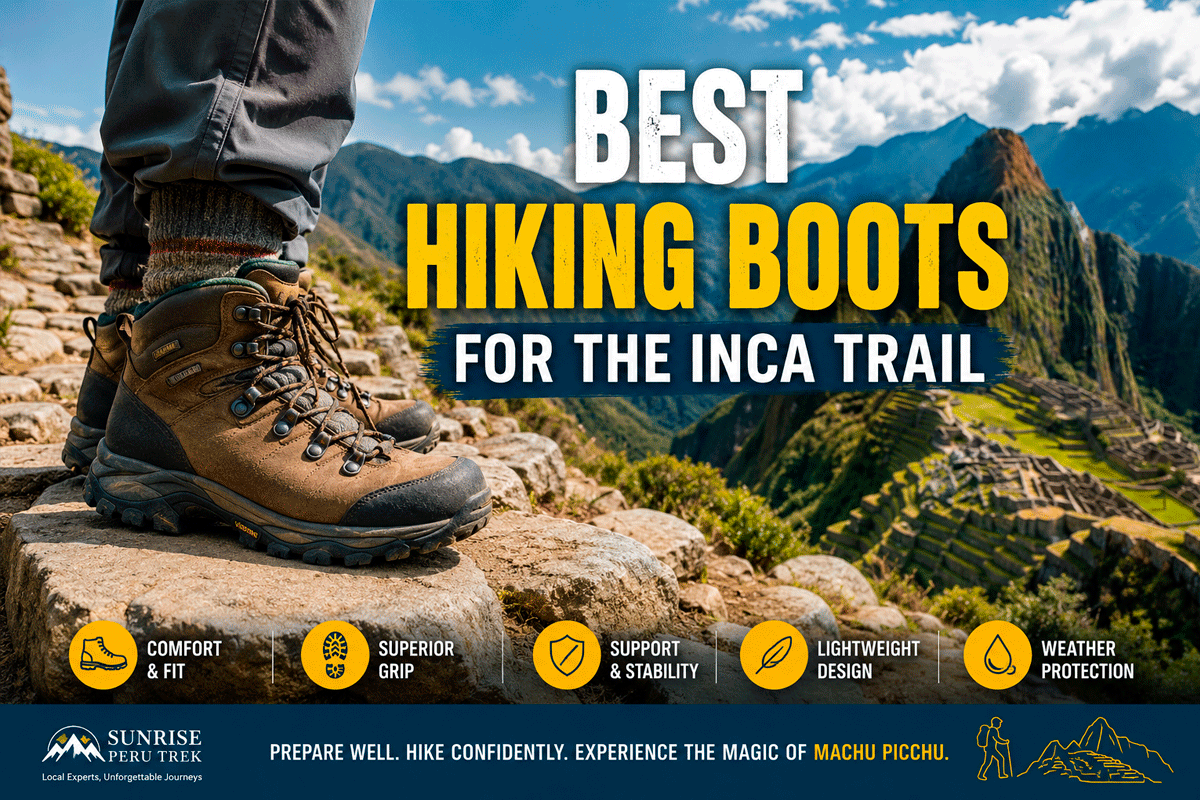
Your hiking boots are more than another item on your packing list. They are the equipment carrying you over every stone step, steep climb, and mountain trail on your journey to Machu Picchu.
The right pair can help you hike comfortably and confidently. The wrong pair can mean blisters, sore feet, slippery descents, and unnecessary fatigue.
But what are the best hiking boots for the Inca Trail?
There is no single answer. The best footwear depends on your feet, hiking experience, the terrain, weather conditions, and what feels comfortable to you.
What Makes a Good Hiking Boot?
When choosing hiking footwear for Peru, focus on these five factors:
1. A secure, comfortable fit
Your heel should stay firmly in place without excessive movement, while your toes should have enough room to move naturally. Your boots should feel comfortable from the beginning—not after you hope they eventually become comfortable.
2. Good traction
The Inca Trail includes uneven Inca stone steps, dirt paths, steep sections, and potentially wet surfaces. Look for an outsole with dependable grip and traction.
3. Appropriate support
Ankle support can be valuable for trekkers who prefer a more structured boot, but a higher-cut boot isn’t automatically safer or better. The right level of support is the one that works for your feet and hiking style.
4. Reasonable weight
Heavy boots can add fatigue during long hiking days. Lightweight hiking boots or shoes may feel easier over extended distances, while some hikers prefer the structure and protection of a heavier boot.
5. Breathability and weather protection
Waterproof hiking boots can be useful in wet conditions, but waterproof membranes can also make footwear warmer and less breathable. Consider the season, conditions, and how much you prioritize dryness versus ventilation.
What Are the Best Boots for the Inca Trail?
The best hiking boots for the Inca Trail are the ones that fit securely, provide reliable traction, feel comfortable over long distances, and have already been tested on real walks.
Your main options include:
| Footwear | Best for | Advantages | Potential drawback |
|---|---|---|---|
| Lightweight hiking shoes | Trekkers who prioritize comfort and low weight | Flexible, light, less fatigue | Less structure and protection |
| Mid-cut hiking boots | Most first-time trekkers | Balance of support, protection, and weight | Heavier than hiking shoes |
| Structured hiking boots | Hikers who prefer maximum structure | More protection and traditional trekking feel | Can be heavier and warmer |
| Trail runners | Experienced hikers familiar with them | Very lightweight and flexible | Less protection and structure |
For many first-time Inca Trail trekkers, a comfortable mid-cut hiking boot is a practical choice. However, experienced hikers may prefer lightweight hiking shoes or trail runners if they already know they perform well in them.
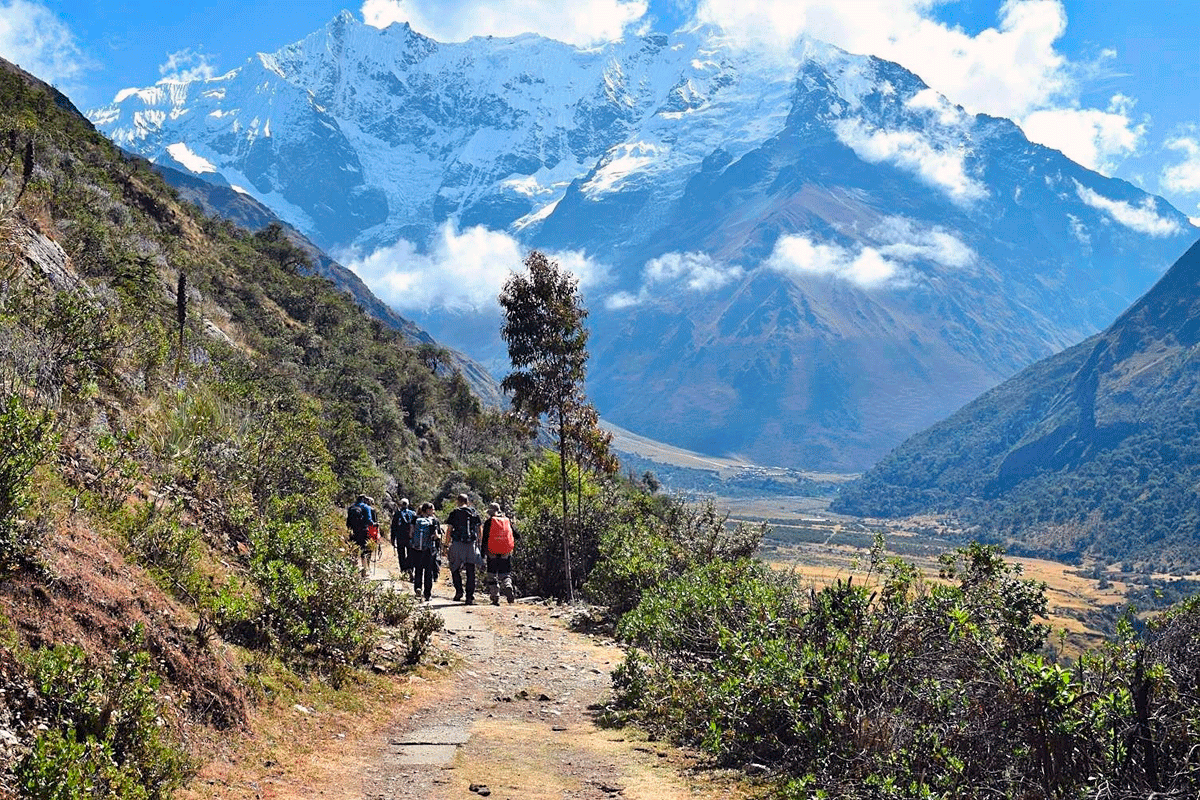
Hiking Boots vs. Hiking Shoes
Hiking boots may be preferable if you want:
- More structure
- Greater protection
- More ankle coverage
- A traditional trekking feel
Hiking shoes or trail shoes may suit you if you prefer:
- Lower weight
- Greater flexibility
- A lighter feel
- Trail-running footwear you already know works for you
The most important rule is simple:
The best footwear is the footwear that fits your feet and that you have successfully tested before the trek.
The Most Important Rule: Break Them In
Never make your first long hike in brand-new boots.
Even an expensive, highly rated boot can become a bad choice if it doesn’t fit your individual feet.
Before traveling to Peru:
- Buy your footwear well before your trek.
- Wear it on progressively longer walks.
- Test it on hills and stairs.
- Wear the socks you plan to use during the Inca Trail.
- Check for heel movement.
- Look for pressure points.
- Practice walking downhill.
This is particularly important because descending can place additional pressure on your toes. Your boots should feel reliable before you arrive in Cusco.
Do You Need Waterproof Hiking Boots?
Not necessarily.
Waterproof hiking boots can be useful when conditions are wet, but they can also be warmer and less breathable than non-waterproof footwear.
Because conditions on the Inca Trail can change, consider your trekking season, hiking style, and personal tolerance for wet feet. Waterproofing is a feature—not a guarantee that a boot is automatically better.
Common Hiking Boot Mistakes
Avoid these common footwear mistakes before your Inca Trail adventure:
- ❌ Buying boots based only on brand or appearance
- ❌ Hiking in brand-new boots
- ❌ Choosing the wrong size
- ❌ Ignoring heel movement
- ❌ Wearing unsuitable socks
- ❌ Choosing unnecessarily heavy boots
- ❌ Assuming waterproof always means better
- ❌ Forgetting that downhill sections can be demanding on your toes
What Are the Best Hiking Boots for the Inca Trail?
There is no universal best hiking boot for the Inca Trail. Choose footwear with a secure fit, good traction, comfortable cushioning, appropriate support, and proven performance for your feet. Most importantly, make sure your footwear is properly broken in before your trek to Machu Picchu.
Why Footwear Matters on the Inca Trail
The Inca Trail isn’t simply a walk through the mountains. You’ll encounter ancient stone steps, steep ascents and descents, uneven mountain terrain, long hiking days, and potentially wet surfaces.
That’s why choosing reliable Inca Trail hiking boots should be part of your preparation—not an afterthought.
Your footwear works together with your training, packing strategy, and overall preparation. Before you travel, review your Inca Trail packing list, learn about Inca Trail altitude, and prepare your body for the demands of the trek.
Ready to Walk the Inca Trail to Machu Picchu?
Choosing the right boots is one small but important part of a much bigger adventure.
At Sunrise Peru Trek, our local Cusco-based team helps travelers prepare for professionally organized Inca Trail adventures with experienced local guides, personalized support, organized logistics, and trekking expertise. Small-group and private options are available for travelers looking for a more personalized experience.
Whether you’re a first-time trekker or an experienced hiker, good preparation gives you more confidence when the trail begins.
Your journey to Machu Picchu begins long before you reach the ruins. It begins with every step.
Ready to take those steps? Explore the Classic 4-Day Inca Trail to Machu Picchu with Sunrise Peru Trek and start planning your adventure.
YOUR INCA TRAIL ADVENTURE STARTS WITH A PERMIT
2027 permits are now available. Inca Trail permits are limited, and popular trekking dates can sell out months in advance.
Don’t wait until your preferred date is gone.
SECURE YOUR INCA TRAIL PERMIT →
Plan early. Trek the Inca Trail. Arrive at Machu Picchu through the Sun Gate.


Sunrise Peru Trek Travel & Tours offers safe, fast, and reliable payment methods to make booking your dream trip to Machu Picchu and Cusco simple and stress-free. We prioritize your security and convenience, so you can focus on planning your adventure with confidence. We accept PayPal, one of the world’s most trusted online payment platforms. Paying with PayPal is quick, secure, and easy, allowing you to book your tour in just a few clicks from anywhere in the world. Your financial information is protected with advanced encryption, giving you complete peace of mind.Secure Payment
Secure Payment Methods for Your Peru Tours
Easy & Secure Payments
Easy & Secure Payments with PayPal
