

 TripAdvisor

Machu Picchu in the Rainy Season: Why It Might Be the Most Magical Time to Visit
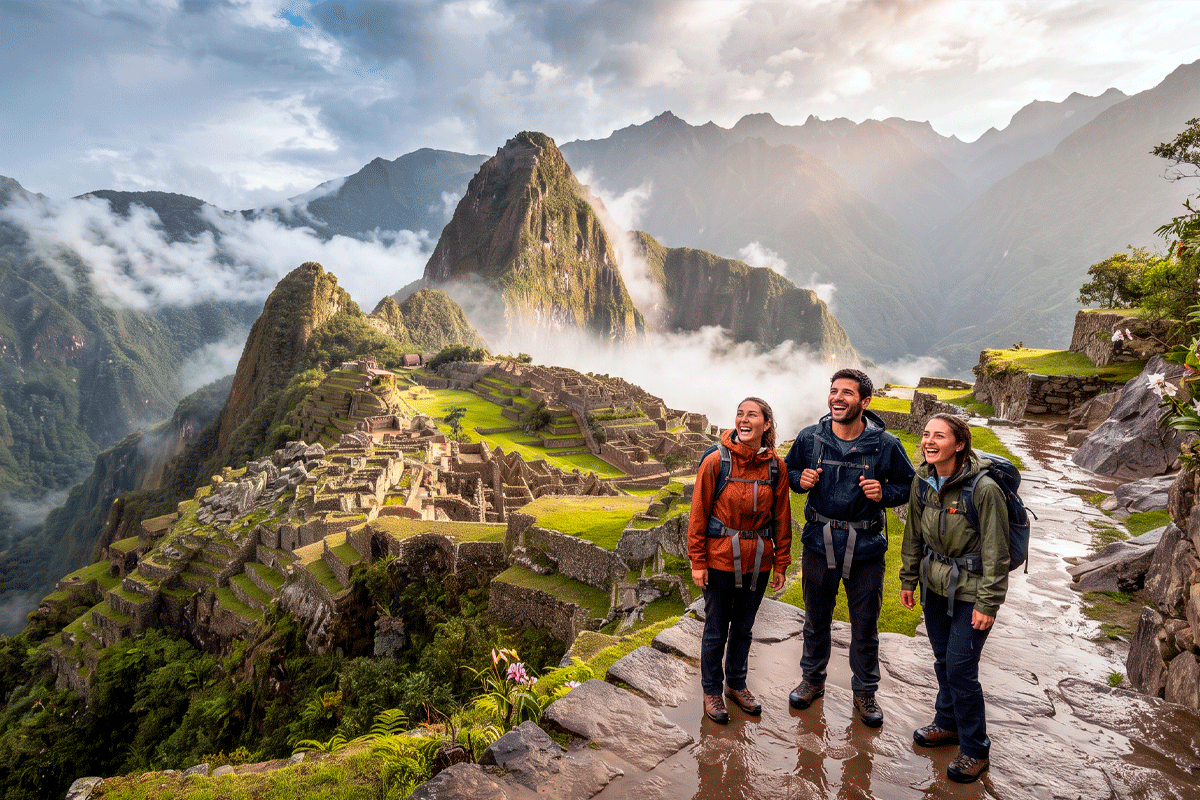
Imagine standing at the edge of the world’s most iconic ancient citadel, entirely wrapped in a blanket of soft, ethereal mist. As a gentle breeze sweeps through the Andes, the clouds suddenly part, revealing vibrant emerald-green terraces glowing under a break in the storm. No massive crowds are blocking your view, no loud tour groups disrupting the silence—just you, the towering Huayna Picchu mountain, and the profound energy of the Incas.
While most travelers flock to Peru during the dry winter months, seasoned adventurers and photographers know a secret. Choosing to experience Machu Picchu in the rainy season transforms an already incredible journey into something deeply intimate, cinematic, and profoundly magical.
When Is the Rainy Season at Machu Picchu?
Understanding the Machu Picchu weather cycle is essential for planning your trip. The rainy season in the Peruvian Andes officially begins in November and runs through March, with the heaviest rainfall typically occurring in January and February.
During these months, temperatures remain relatively mild and comfortable, fluctuating between 54°F (12°C) at night and 75°F (24°C) during the day. It rarely rains all day long. Instead, you can generally expect bright, clear mornings followed by passing heavy showers in the afternoon, leaving behind fresh mountain air and clear skies just in time for sunset.
Why Visit Machu Picchu During the Rainy Season?
If you are willing to embrace a little moisture, visiting this UNESCO World Heritage Centre during the low season offers extraordinary rewards that dry-season tourists completely miss out on.
Vibrant Green Landscapes: The rain breathes life into the Sacred Valley and the ancient terraces. The stone ruins contrast sharply against hillsides draped in the most brilliant, saturated shades of green you will ever see.
Dramatic Cloud Forests: The interaction of moisture and mountain geography creates sweeping cloud formations. Watch mist rise from the Urubamba River valley and swirl through the stone doorways of the citadel—a photographer’s dream.
Fewer Tourists: The peak dry season brings thousands of daily visitors. In the rainy season, tourist numbers drop significantly. You can walk the stone pathways at your own pace and find quiet corners for peaceful reflection.
Lower Costs & Availability: Because fewer people travel, it is much easier to secure your preferred train tickets, luxury accommodations, and sought-after entry passes issued by Peru’s Ministry of Culture.
Challenges to Consider (and How to Overcome Them)
To fully enjoy your adventure, it is important to understand the unique challenges of the wet season and prepare for them.
Afternoon showers can appear suddenly, making the ancient stone trails and staircases slippery. Mountain travel during this time requires flexible scheduling, as unexpected weather can occasionally delay train departures or momentarily cloud your view of the ruins.
This is exactly why hiring an experienced local operator makes all the difference. Navigating the changing mountain elements safely requires expert, real-time logistics. The professional guides at Sunrise Peru Trek monitor weather patterns continuously, adjusting your tour schedule dynamically so you reach the best lookout points exactly when the clouds are most likely to clear.
What Should You Pack? Your Rainy Season Checklist
Conquering the weather comes down to having the right gear. When preparing your Machu Picchu packing list, prioritize high-quality waterproof items and smart layers:
High-Quality Waterproof Jacket: A breathable, fully rainproof shell is your primary defense.
Sturdy Hiking Boots: Waterproof boots with deep tread rubber soles are essential for navigating slippery stone steps.
Heavy-Duty Rain Poncho: A lightweight plastic poncho can easily fit over you and your daypack during sudden downpours.
Dry Bags: Keep your passport, money, and electronics safe inside waterproof dry sacks inside your bag.
Moisture-Wicking Layers: Avoid cotton. Choose wool or synthetic layers that dry quickly and regulate your body temperature.
Trekking Poles with Rubber Tips: Essential for keeping your balance on slick descents (note: metal tips are banned at Machu Picchu to protect the stones).
Extra Socks: Pack double what you think you need. Clean, dry wool socks will save your feet after a wet day on the trail.

Is the Rainy Season Good for the Inca Trail?
A common question among adventure travelers is whether they can still hike to the citadel. The answer is a resounding yes! The classic Inca Trail Tours and the popular Short Inca Trail remain fully operational throughout the rainy season, with one important exception: the entire trail closes for February for environmental maintenance and conservation.
Hiking through the cloud forests between November and March is a breathtaking experience. The rain coaxes thousands of native orchid species into spectacular bloom, and cascading waterfalls feed roaring rivers along the path. Walking into the Sun Gate through a veil of mountain mist feels like discovering a truly lost city. With a licensed, professional guide guiding your steps, trekking in the rain is completely safe, physically invigorating, and extraordinarily beautiful.
Why Choose Sunrise Peru Trek?
Planning a trip to Peru in changing weather conditions requires an operator you can trust implicitly. Sunrise Peru Trek is a 100% locally owned tour agency with over 25 years of experience leading world-class expeditions through Cusco and the Sacred Valley.
We employ deeply knowledgeable, professionally licensed guides born and raised in these mountain communities. Because we specialize in small-group travel and highly personalized service, we can easily adapt your itinerary to ensure maximum comfort and safety regardless of what the weather throws our way. From seamless train arrangements to eco-friendly, sustainable tourism practices that protect our heritage, we manage every detail so you can focus entirely on the magic of your journey.
Conclusion
Some of the most profound, life-changing travel memories happen when we step outside of our comfort zones and embrace unexpected weather. Machu Picchu was built to live in harmony with the clouds, the rain, and the earth. Seeing it during the wet season isn’t a compromise—it is the most authentic, peaceful, and visually spectacular version of the Inca citadel you could ever hope to witness.
Turn Your Dream Into Reality
Don’t wait for the “perfect” season to discover the magic of Peru. Because daily entry permits, luxury train seats, and expert local guides are strictly capped by the government, the best travel dates fill up quickly even during the low season.
Let the local experts handle the logistics while you prepare for the adventure of a lifetime. Explore our custom Machu Picchu Tours and book your journey with Sunrise Peru Trek today!
Frequently Asked Questions
Is Machu Picchu open during the rainy season?
Yes, Machu Picchu is open 365 days a year, including all holidays. The only exception is the classic Inca Trail, which closes entirely for February for trail maintenance; however, the citadel itself remains fully open to visitors arriving by train via Aguas Calientes.
What is the wettest month to visit Machu Picchu?
February is historically the wettest month of the year in the Cusco region, receiving the highest volume of rainfall. January is a close second. If you want to experience the lush green landscapes of the rainy season with slightly fewer downpours, November, December, and March are excellent balance points.
Is it safe to visit Machu Picchu when it rains?
Yes, it is entirely safe to visit as long as you exercise caution and wear appropriate footwear. The stone steps inside the ruins can become slick when wet, so walking slowly and using handrails is highly recommended. Traveling with an experienced local guide from Sunrise Peru Trek ensures you navigate the terrain safely.
Can you see Machu Picchu if it is cloudy or raining?
Weather in the high Andes changes very quickly. Even if the citadel is completely covered in thick clouds when you arrive, a light breeze can completely clear the air in minutes, revealing stunning views. Rainy season views are highly dynamic, offering incredible opportunities to see the ruins emerging dramatically from the mist.
What clothes should I wear to Machu Picchu in the rain?
Dress in lightweight, breathable layers that you can easily add or remove. Wear a moisture-wicking base layer, a warm fleece or sweater, and a 100% waterproof outer jacket. Pair these with durable, waterproof hiking pants and sturdy boots with reliable grip. Always carry a rain poncho in your daypack.
YOUR INCA TRAIL ADVENTURE STARTS WITH A PERMIT
2027 permits are now available. Inca Trail permits are limited, and popular trekking dates can sell out months in advance.
Don’t wait until your preferred date is gone.
SECURE YOUR INCA TRAIL PERMIT →
Plan early. Trek the Inca Trail. Arrive at Machu Picchu through the Sun Gate.


Sunrise Peru Trek Travel & Tours offers safe, fast, and reliable payment methods to make booking your dream trip to Machu Picchu and Cusco simple and stress-free. We prioritize your security and convenience, so you can focus on planning your adventure with confidence. We accept PayPal, one of the world’s most trusted online payment platforms. Paying with PayPal is quick, secure, and easy, allowing you to book your tour in just a few clicks from anywhere in the world. Your financial information is protected with advanced encryption, giving you complete peace of mind.Secure Payment
Secure Payment Methods for Your Peru Tours
Easy & Secure Payments
Easy & Secure Payments with PayPal
