

 TripAdvisor

Wildlife Along the Inca Trail

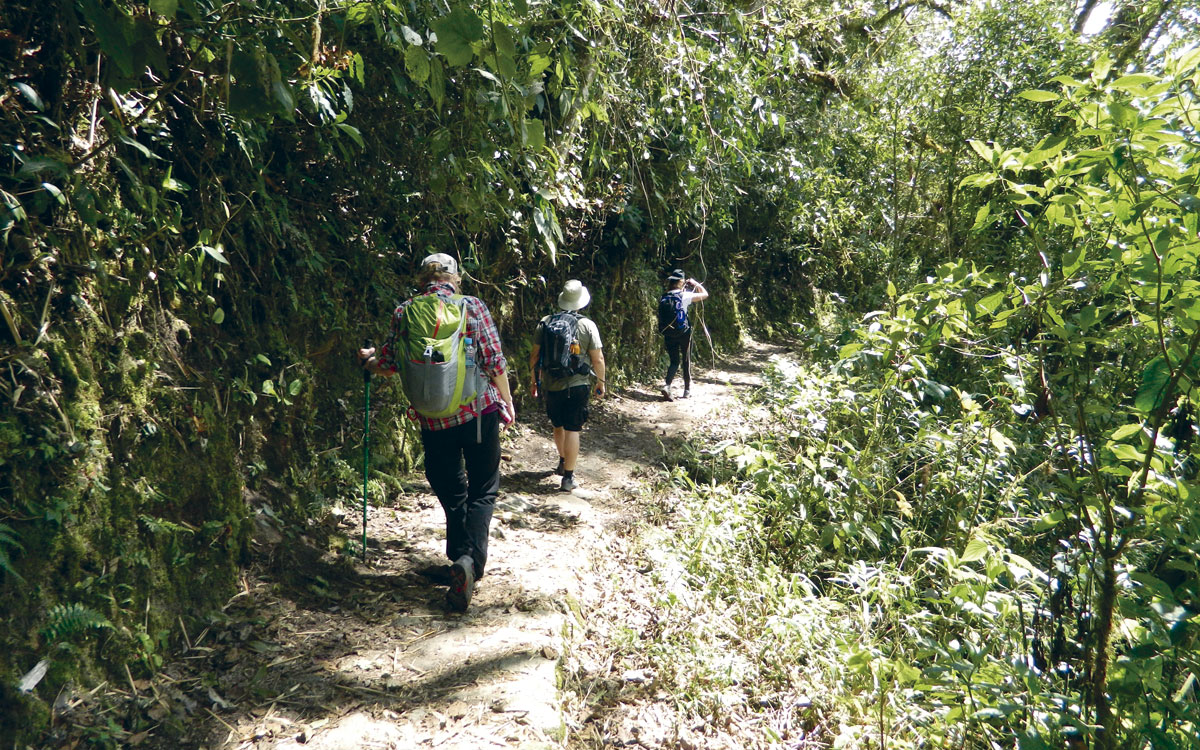
Before dawn breaks over the Andes, the air carries a crisp, ancient quiet. mist weaves slowly through moss-draped branches, footfalls echo across hand-carved stone steps, and somewhere in the canopy above, an unseen bird calls into the damp morning air. Stepping onto the Classic Inca Trail is not simply embarking on a hike; it is entering an ancient sanctuary where human history and wild nature have coexisted for centuries, offering alert travelers a rare glimpse of the rich wildlife along the Inca Trail.
A Trail Through Changing Ecosystems
What makes Inca Trail trekking truly extraordinary is its rapid descent through diverse ecological zones. In just four days, travelers journey from high-alpine puna grasslands above 13,000 feet down into the humid, lush cloud forests guarding the approach to Machu Picchu.
This dramatic shift in altitude creates microclimates that support astounding biological diversity. Craggy alpine passes give way to sub-tropical bamboo forests, cascading waterfalls, and thick canopy, creating habitats for hundreds of species of Andean wildlife and rare endemic flora.
Wildlife You May Encounter
Sightings in the wild are never guaranteed—they depend entirely on season, weather, terrain, and a touch of Andean luck. However, as you travel along the trail, keeping a quiet pace and open eyes may reward you with unforgettable wildlife encounters.
High-Altitude Aviators: High above the exposed mountain passes, the majestic Andean condor occasionally glides on thermal currents. Lower down along rushing mountain streams, swift torrent ducks navigate turbulent whitewater with astonishing ease.
Masters of the Cloud Forest: Among the moss-covered trees, shimmering humingbirds flit between blooming native orchids. Over 300 butterfly species flutter through the humid understory, painting the green trail with vibrant bursts of color.
Elusive Mammals: On quiet rocky outcrops, you might spot the vizcacha—a rodent resembling a rabbit with a long, bushy tail—basking in the early morning sun. Higher in the valley, an Andean fox might cross distant ridges. While extremely rare and shy, the endangered Spectacled bear (South America’s only bear species) still roams these protected cloud forest corridors.
More Than a Trek to Machu Picchu
It is easy to view this journey purely as a path to an ancient wonder, but hiking the Inca Trail offers something far deeper. Every step connects you to a living ecosystem that sustained the Inca civilization. The wild orchards, medicinal plants, and native animals on the Inca Trail were sacred to the Incas, deeply woven into their worldview and daily survival. Experiencing this natural habitat in its raw, unspoiled state transforms a historical pilgrimage into a profound connection with nature.
Travel Responsibly in Fragile Ecosystems
Protecting Peru wildlife and preserving these delicate mountain ecosystems requires mindful travel. When encountering cloud forest wildlife and high-mountain habitats:
Maintain Distance: Observe all animals from a respectful distance. Never attempt to approach, startle, or corner wildlife.
Never Feed Animals: Human food disrupts natural foraging behaviors and can cause serious health issues for wild animals.
Stay on the Designated Trail: Stepping off path causes soil erosion and tramples delicate wild orchids and subterranean habitats.
Practice Leave No Trace: Pack out everything you bring in, keep noise levels low to avoid disturbing territorial birds, and leave natural objects as you find them.
Experience the Inca Trail With Local Experts
Exploring a delicate mountain sanctuary requires local knowledge, deep respect for the environment, and expert logistics. Founded in Cusco in 1999, Sunrise Peru Trek Travel & Tours brings over two decades of local expertise to every expedition. Our professional bilingual guides are not only safety experts and history storytellers—they are passionate naturalists who know where native orchids bloom, how to spot camouflaged fauna, and how to navigate the Inca Trail to Machu Picchu responsibly.
With small group sizes, personalized care, and a commitment to sustainable trekking, we ensure your journey through the wild heart of the Andes is safe, immersive, and unforgettable.
The Inca Trail is not simply a path to Machu Picchu. It is a journey into the wild heart of the Andes. Are you ready to walk it?
Explore Classic Inca Trail Treks with Sunrise Peru Trek
Frequently Asked Questions (FAQs)
1. What animals am I most likely to see on the Inca Trail?
The most common sightings include various species of hummingbirds, tropical butterflies, torrent ducks along mountain streams, and Andean vizcachas on rocky slopes. Pack llamas and alpacas are also commonly seen accompanying trekking groups or grazing near archaeological sites.
2. Can you see Spectacled Bears on the Inca Trail?
Yes, but sightings are rare. Spectacled bears inhabit the cloud forest surrounding the trail and Machu Picchu Sanctuary. They are shy and generally avoid human paths, though lucky trekkers occasionally spot them in trees or on distant slopes during quiet mornings.
3. Are there dangerous animals on the Inca Trail?
The Inca Trail is generally very safe. While venomous snakes and pumas exist deep within the region’s dense reserves, they avoid heavily trafficked trekking routes. Following your guide’s instructions and staying on marked trails minimizes any potential risks.
4. What is the best season to see wildlife along the Inca Trail?
The dry season (May to September) offers clear skies and excellent visibility for birdwatching and spotting mammals on exposed slopes. However, the shoulder months (April and October) bring blooming orchids and active birding as the cloud forest flourishes.
5. How many bird species live along the Inca Trail?
The Historic Sanctuary of Machu Picchu is home to over 400 bird species, ranging from high-altitude raptors like the Andean condor to colorful cloud forest species like the Cock-of-the-Rock (Peru’s national bird) and giant hummingbirds.
6. Are wildlife sightings guaranteed during the trek?
No. Wild animals move freely across large ecological territories. Sightings depend on factors like weather, time of day, noise levels, season, and luck. Keeping a quiet pace and using binoculars increases your chances.
7. What native plants and flowers grow along the route?
The trail passes through diverse flora, including high-altitude ichu grass, polylepis forests, giant ferns, wild bromeliads, and over 300 species of native orchids—including the famous Wiñay Wayna (“Forever Young”) orchid.
8. How does altitude affect the wildlife found on the trail?
Different species adapt to specific elevation belts. High-altitude zones (above 11,000 ft) feature hardy species like condors, vizcachas, and Andean foxes, while lower cloud forests (below 9,000 ft) host dense insect life, colorful birds, bears, and lush tropical flora.
9. What should I do if I encounter wild animals on the trail?
Maintain a safe distance, stay quiet, avoid making sudden movements, and never offer food. Allow the animal a clear path to move away undisturbed, and always follow the guidance of your professional tour guide.
10. Why book an Inca Trail wildlife trek with Sunrise Peru Trek?
Sunrise Peru Trek has operated locally in Cusco since 1999. Our expert bilingual guides possess deep knowledge of local natural history and botany, leading small, eco-conscious groups that respect wildlife habitats while maximizing your chances of memorable sightings.
YOUR INCA TRAIL ADVENTURE STARTS WITH A PERMIT
2027 permits are now available. Inca Trail permits are limited, and popular trekking dates can sell out months in advance.
Don’t wait until your preferred date is gone.
SECURE YOUR INCA TRAIL PERMIT →
Plan early. Trek the Inca Trail. Arrive at Machu Picchu through the Sun Gate.


Sunrise Peru Trek Travel & Tours offers safe, fast, and reliable payment methods to make booking your dream trip to Machu Picchu and Cusco simple and stress-free. We prioritize your security and convenience, so you can focus on planning your adventure with confidence. We accept PayPal, one of the world’s most trusted online payment platforms. Paying with PayPal is quick, secure, and easy, allowing you to book your tour in just a few clicks from anywhere in the world. Your financial information is protected with advanced encryption, giving you complete peace of mind.Secure Payment
Secure Payment Methods for Your Peru Tours
Easy & Secure Payments
Easy & Secure Payments with PayPal
