

 TripAdvisor

Machu Picchu in the Dry Season: Why It’s the Best Time to Visit
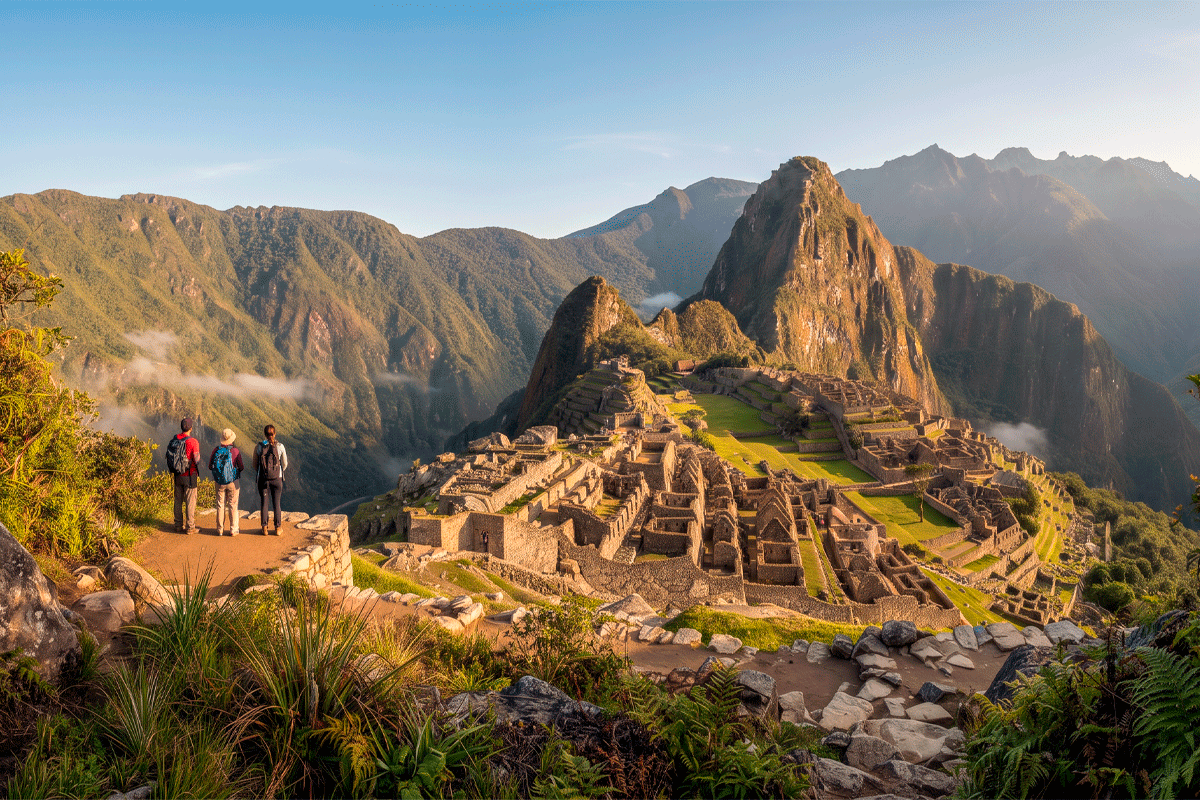
Imagine standing at the edge of the world as the morning sun crests over jagged Andean peaks, burning away the low valley mist to reveal an ancient stone citadel. The sky above is a brilliant, uninterrupted canvas of deep blue, and the crisp mountain air fills your lungs. There are no raindrops on your camera lens, no heavy mud under your boots—just the sheer, raw magic of one of the world’s greatest wonders fully uncovered.
Having guided travelers through these cloud forests hundreds of times, I can tell you that experiencing Machu Picchu in the dry season is a transformative moment. It is the period when the Peruvian Andes show off their true majesty, making it the absolute best time to visit Machu Picchu for anyone seeking a flawless mix of luxury and rugged adventure.
Why Visit Machu Picchu During the Dry Season?
The dry season in Peru runs from May to September. This window represents winter in the Southern Hemisphere, which translates to the most stable and predictable weather of the year in the Cusco region.
If you are planning your ultimate Machu Picchu vacation, this is the sweet spot. The endless gray rain clouds of the summer months give way to brilliant sunshine, offering postcards-come-to-life views every single day.
Weather at Machu Picchu During the Dry Season
Understanding the microclimates of the Andes is essential for a seamless trip. Machu Picchu weather during these months is characterized by a stark, beautiful contrast between day and night:
Daytime: Warm and radiant, with temperatures averaging around 20°C to 25°C (68°F to 77°F). The sun can feel quite intense at high altitudes, making it perfect for exploring the ruins or trekking.
Nighttime: Once the sun dips behind the mountains, temperatures plummet rapidly. In Cusco and along the high mountain trails, nights can drop to near freezing, averaging 0°C to 5°C (32°F to 41°F).
This climate creates pristine visibility, which is exactly why photographers and outdoor enthusiasts circle these months on their calendars. Without the heavy cloud cover of the wet season, the panoramic views of Huayna Picchu and the surrounding Vilcabamba range are perfectly sharp.
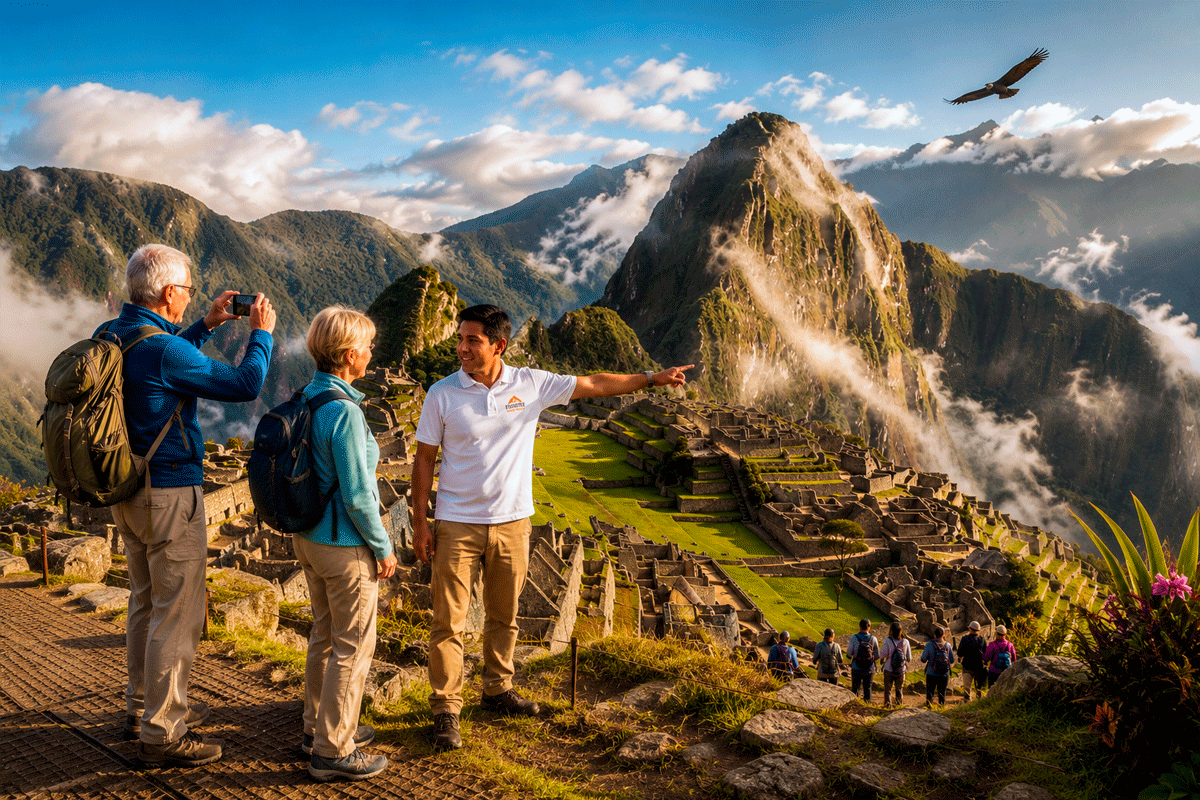
Advantages of Traveling in the Dry Season
A Paradise for Hikers and Photographers
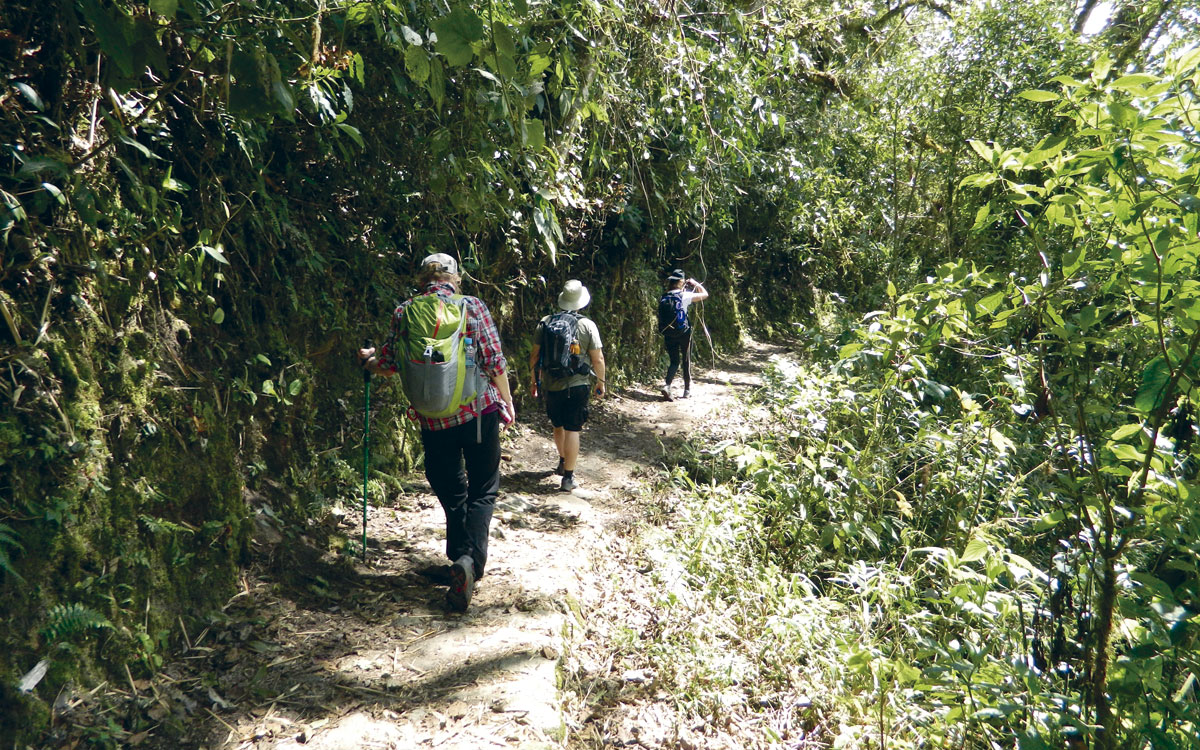
For those taking on world-renowned routes like the classic [Inca Trail Tours] or the rugged [Salkantay Trek], dry weather changes everything. Mountain passes are safer, the terrain is dry and firm underfoot, and the risk of rain-induced delays is virtually zero. Photographers can capture the golden hour light bouncing cleanly off the meticulously carved Inca stones without worrying about sudden downpours ruining their gear.
Smooth Logistical Travel
Heavy rains in Peru can occasionally disrupt train tracks or block roads in the Sacred Valley. Visiting during the dry months ensures that your [Peru tours] run precisely on schedule, allowing you to maximize every hour of your trip.
Things to Consider Before You Go
While the weather is nearly perfect, a dry season visit Machu Picchu trip requires a little insider strategy.
The Disadvantages: Crowds and Costs
Because this is the premium time to travel, June, July, and August coincide with peak international tourism. The trails and the citadel see the highest foot traffic of the year, and hotel prices reflect the high demand.
What to Pack
The golden rule of Andean travel is layering. To stay comfortable, your daypack should include:
Moisture-wicking base layers and a warm fleece for chilly mornings.
A lightweight, breathable windbreaker.
High-SPF sunscreen, sunglasses, and a wide-brimmed hat (the high-altitude sun burns quickly).
Insect repellent (the dry season brings out biting midges at the citadel).
Expert Insider Tip: Government permits for the classic Inca Trail, the [Short Inca Trail], and official entry tickets to Machu Picchu are strictly capped to preserve the site. During the dry season, these permits regularly sell out 4 to 6 months in advance. Waiting until you arrive in Peru to secure entry is no longer an option.
Why Book with Sunrise Peru Trek?
Navigating the logistics of high-season permits, train schedules, and elite guiding requires a trusted local partner. Sunrise Peru Trek has been crafting flawless, deeply authentic [Machu Picchu tours] and [Sacred Valley Tours] for more than 25 years.
True Local Expertise: Our professional guides are native to the region, offering rich historical context and cultural storytelling you won’t find in a textbook.
Small Groups, Large Experiences: We bypass the mass-bus-tour approach to offer intimate, small-group sizes that respect your space and the integrity of the ruins.
Sustainable Tourism: We are deeply committed to leaving a positive footprint, ensuring our porters, guides, and local communities are treated with the utmost respect and fair compensation.
Plan Your Dream Adventure Today
Machu Picchu in the dry season is a bucket-list journey that rewards careful planning. Let us handle the red tape, the premium permits, and the expert logistics while you focus on taking in the view of a lifetime.
Explore our comprehensive [Peru Travel Guide] and find out more about the [Best Time to Visit Machu Picchu] to tailor your itinerary. Don’t let your dream vacation sell out—spaces for this season disappear rapidly.
Frequently Asked Questions: Machu Picchu in the Dry Season
1. What are the exact months of the dry season in Machu Picchu?
The dry season officially runs from May through September. May and September are fantastic “shoulder months” that offer a great balance of beautiful weather and slightly fewer crowds, while June, July, and August are the peak dry months.
2. Does it ever rain at Machu Picchu during the dry season?
While rare, brief showers can still happen. Machu Picchu sits in a high-altitude cloud forest, which creates its own microclimate. It is always wise to keep a lightweight rain poncho in your daypack just in case.
3. How far in advance do I need to book my dry season tour?
You should book 4 to 6 months in advance. The Peruvian Ministry of Culture strictly caps the number of daily visitors to preserve the citadel, and permits for peak dry season months sell out faster than any other time of year.
4. What are the coldest months to visit?
June and July see the coldest nights of the year. While daytime temperatures remain warm and sunny, nighttime temperatures in Cusco and along the mountain treks can drop to freezing or just below ($0^\circ\text{C}$ / $32^\circ\text{F}$).
5. Are there biting insects during the dry season?
Yes. The warm, dry days bring out small, biting insects known locally as alastracs or midges. They don’t carry diseases, but their bites are incredibly itchy. Be sure to apply a high-DEET or picaridin insect repellent before entering the ruins.
6. Is the Inca Trail open during the dry season?
Yes, the Inca Trail is fully open and boasts the best trekking conditions of the year during these months. Keep in mind that the trail closes completely in February for annual maintenance, which falls during the peak wet season.
7. Can I climb Huayna Picchu or Machu Picchu Mountain in the dry season?
Yes, and this is actually the best time to do it. The stone stairs leading up these steep peaks can become dangerously slick in the rain. In the dry season, the trails are firm, dry, and offer unmatched, clear views from the summits.
8. What should I pack for daytime versus nighttime?
Think in layers. For the daytime, pack breathable trekking shirts, shorts or lightweight pants, sunglasses, and a sun hat. For the evening, you will absolutely need a warm thermal base layer, a fleece jacket, a heavy coat, a beanie, and gloves.
9. Are flights and hotels more expensive during this time?
Yes. Because it is the peak travel window for Peru, international flights, domestic flights (Lima to Cusco), and hotels in Cusco and Aguas Calientes operate on high-season pricing. Booking early helps secure better rates.
10. Why should I choose a local agency like Sunrise Peru Trek over an international operator?
Local agencies keep 100% of the tourism revenue within the local economy, directly supporting native guides, porters, and communities. Furthermore, as locals who live and work in the region year-round, our real-time knowledge of trail conditions and logistical changes is unmatched.
YOUR INCA TRAIL ADVENTURE STARTS WITH A PERMIT
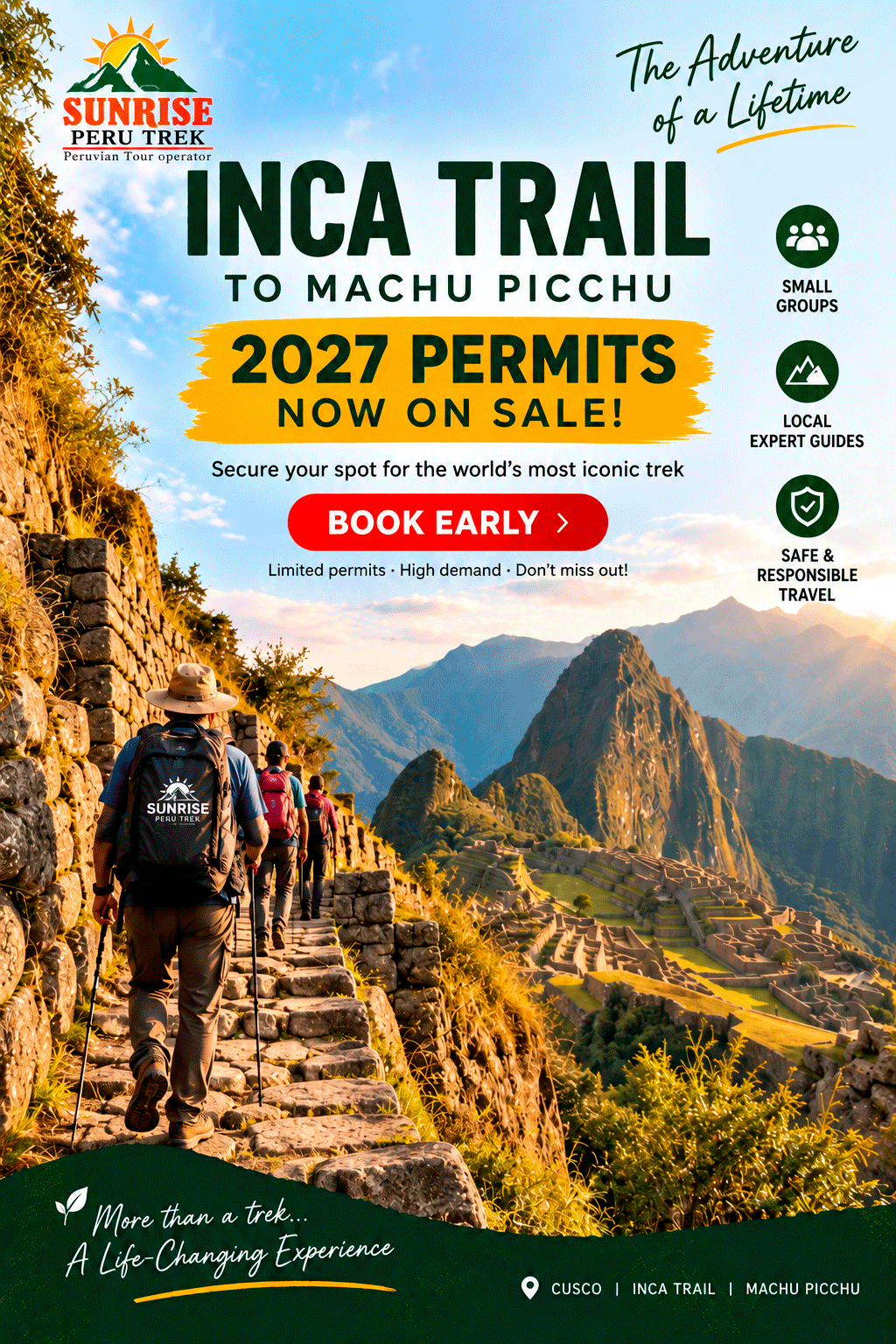
2027 permits are now available. Inca Trail permits are limited, and popular trekking dates can sell out months in advance.
Don’t wait until your preferred date is gone.
SECURE YOUR INCA TRAIL PERMIT →
Plan early. Trek the Inca Trail. Arrive at Machu Picchu through the Sun Gate.

Sunrise Peru Trek Travel & Tours offers safe, fast, and reliable payment methods to make booking your dream trip to Machu Picchu and Cusco simple and stress-free. We prioritize your security and convenience, so you can focus on planning your adventure with confidence. We accept PayPal, one of the world’s most trusted online payment platforms. Paying with PayPal is quick, secure, and easy, allowing you to book your tour in just a few clicks from anywhere in the world. Your financial information is protected with advanced encryption, giving you complete peace of mind.Secure Payment
Secure Payment Methods for Your Peru Tours
Easy & Secure Payments
Easy & Secure Payments with PayPal
